
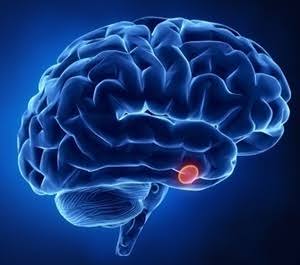
The pituitary produces growth hormone when stimulated by the hypothalamus. Growth hormone causes the liver to produce insulin-like growth factor 1(IGF-1),Which makes bones and tissues grow. The system is usually kept in balance by a hormone feedback loop,ensuring normal,controlled growth. In rare cases,a benign tumor on the front of the pituitary triggers overproduction of growth hormone leading to gigantism in children and acromegaly in adults.
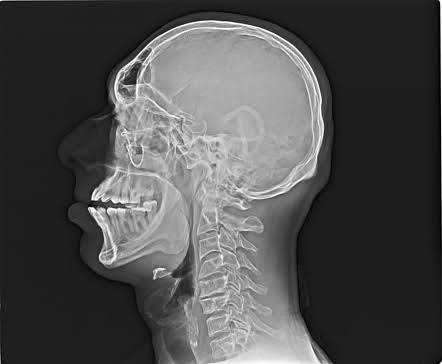
If the tumor arises before puberty, the individual may grow to an extraordinary height. After linear growth is no longer possible, on the other hand,the characteristic features of acromegaly arise, including greatly enlarged hands and feet, vertebral changes attributable to osteoarthritis, soft tissue swelling, hirsutism, and protrusion of the brow and jaw.
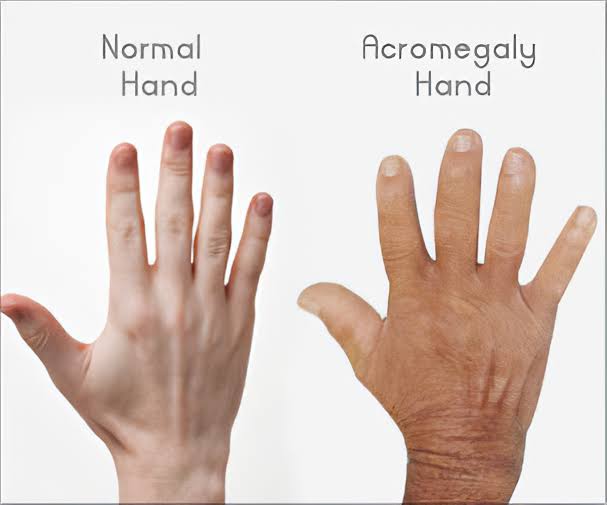


Abnormal growth of internal organs may eventually impair their function such that the condition, which has an insidious onset,can prove fatal if left untreated. Hyper secretion of growth hormone is accompanied by hyper secretion of prolactin in 20-40% of patients with acromegaly. About 25% of patients have abnormal glucose tolerance tests,and 4% develop lactation in the absence of pregnancy. Acromegaly can be caused by extra pituitary as well as intra pituitary growth hormone – secreting tumors and by hypothalamic tumors that secrete GHRH, but the latter are rare.
Acromegaly usually affects middle aged adults,though it can develop at any age in children who are still growing, too much growth hormone can cause a condition called gigantism. These children have exaggerated bone growth and an abnormal increase in height.
SIGN & SYMPTOMS
Acromegaly may produce the following signs & symptoms, which can vary from one person to another.
- Enlarged hands and feet.
- Excessive sweating & body odor.
- Small outgrowth of skin tissue.
- Fatigue & muscle weakness.
- Severe snoring due to obstruction of the upper airway.
- A deepened, husky voice due to enlarged vocal cords and sinuses.
- Impaired vision.
- Headaches.
- Enlarged tongue.
- Pain & limited joint mobility.
- Irregularities of menstrual cycle in women.
- Erectile dysfunction in men.
- Loss of sexual interest.
- Coarse,enlarged facial features.
Diagnosis & Treatment
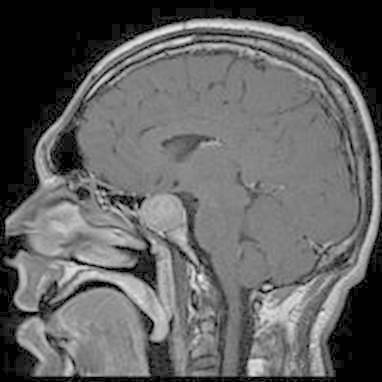
Blood tests to measure hormone levels are used to diagnose acromegaly, and CT or MRI scanning can confirm it.
Acromegaly is rare.scientists estimate that about 3 to 14 of every 100000 people have been diagnosed as having acromegaly. Currently, three types of medicines are used to treat acromegaly, but they are not a cure. The medicines may be used alone or in combination with each other.
•SOMATOSTATIN Analogs: The medicines are delivered by injection, but scientists are currently studying other options, such as pills. The most common side effects are cramps,gas, & diarrhea. Some people may develop gallstones that usually do not cause symptoms. Hair loss is possible. Control of blood sugar usually improves.
• DOPAMINE agonists: The medicines are taken orally. Side effects can include; nausea,stuffed nose,tiredness,headache,dizziness when standing, nightmares and mood change.
•GROWTH HORMONE- receptor antagonists: The drug is taken in the form of a daily injection under the skin that patients can administer themselves. Side effects can include liver problems.
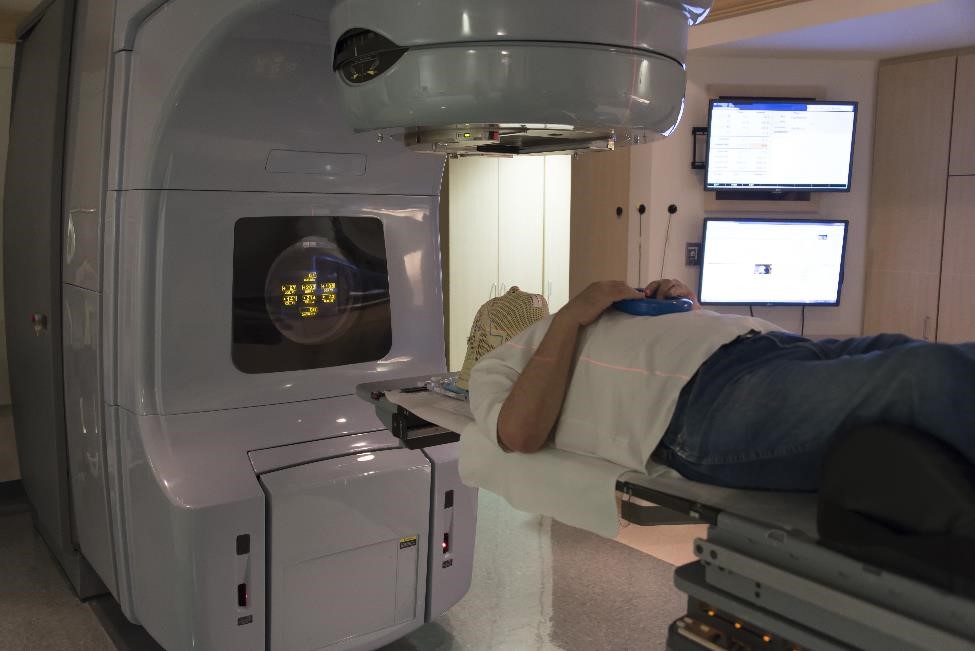
Radiation therapy
•STEREOTACTIC: uses 3D imaging to precisely aim high doses of radiation to the tumor from various angles.
•CONVENTIONAL: This type of radiation therapy delivers small doses of radiation in a series of treatment over 4 to 6 weeks.
 Breakthrough